Virtual Numbers vs Physical SIM Cards Key Differences
- January 26, 2026
- 0
In today’s fast moving digital world, the way we communicate has changed a lot. Physical SIM cards are no longer the only choice. More and more businesses, freelancers,



9621 Agnes Crossing, Lake Suzanneview, New Mexico Island 84604-9295.
In today’s fast moving digital world, the way we communicate has changed a lot. Physical SIM cards are no longer the only choice. More and more businesses, freelancers,
In today’s fast moving digital world, the way we communicate has changed a lot. Physical SIM cards are no longer the only choice. More and more businesses, freelancers, and online sellers are now turning to virtual phone numbers for greater flexibility, better privacy, and easy global access.
Still, one question comes up quite often:
What’s the real difference between a virtual number and a physical SIM card?
And more importantly, which option makes more sense for business and online use?
This complete guide walks you through all the key differences, advantages, and real world use cases, helping you decide which option is the right fit for your needs.
A virtual phone number is a cloud based number that works through the internet rather than a physical SIM card or a single mobile device. It gives you the freedom to stay connected without being tied to one phone or location.
With a virtual number, you can receive calls, text messages, OTP codes, and voicemails using mobile apps, web dashboards, or even email forwarding. No matter where you are in the world, as long as you have internet access, your number stays active and reachable.
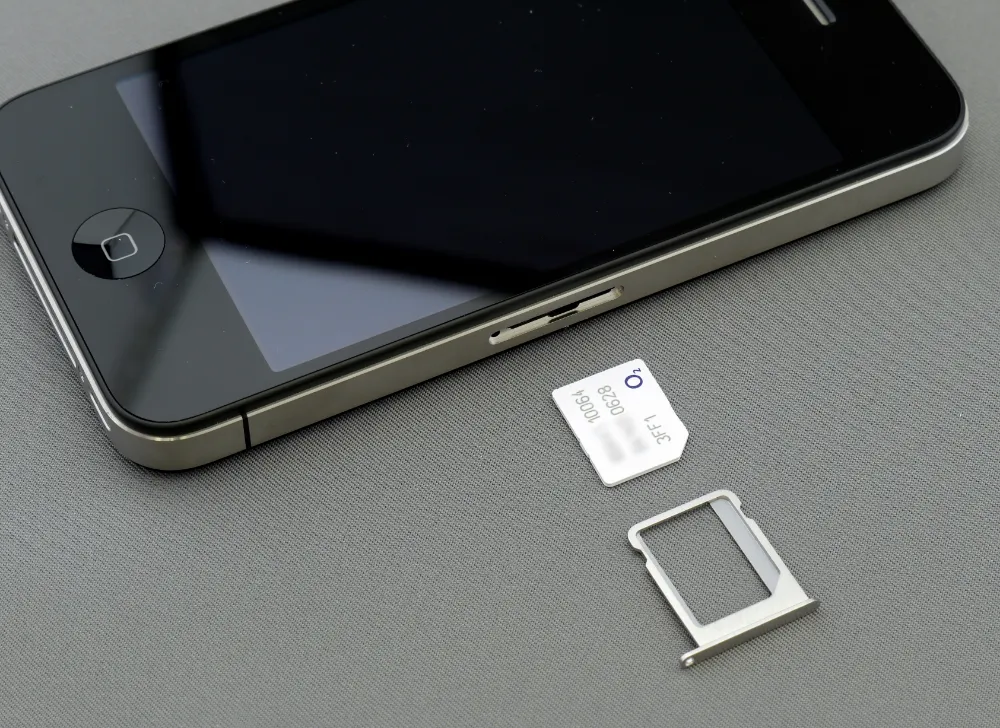
A physical SIM card is the traditional chip that you insert into your mobile phone to connect it to a telecom network. It works by linking your device to a local mobile network and can only operate where that network has coverage.
To use a physical SIM card, you need a compatible mobile device and a strong network signal. In many cases, identity verification is also required. When used internationally, physical SIM cards often come with roaming charges, which can make communication more expensive.
| Feature | Virtual Numbers | Physical SIM Cards |
|---|---|---|
| SIM Required | ❌ No | ✅ Yes |
| Device Dependency | ❌ No | ✅ Yes |
| Internet-Based | ✅ Yes | ❌ No |
| Global Access | ✅ Worldwide | ❌ Limited |
| Setup Time | Minutes | Hours or Days |
| Privacy Level | High | Low |
| Scalability | Easy | Difficult |
| Cost | Affordable | Expensive |
| International Use | No roaming | High roaming charges |
1. Setup and Activation
Virtual Numbers:
Getting started is quick and easy. You can purchase a virtual number online and begin using it within minutes. There’s no paperwork, no SIM card delivery, and no manual setup.
Physical SIM Cards:
These require a physical purchase, identity verification, inserting the SIM into a device, and waiting for network activation.
Winner: Virtual Numbers
2. Global Accessibility
Virtual Numbers:
They work from anywhere in the world as long as you have a stable internet connection. Location doesn’t limit access.
Physical SIM Cards:
They are tied to specific country networks. Using them internationally usually means enabling roaming or buying a new SIM.
Winner: Virtual Numbers
3. Privacy and Security
Virtual Numbers:
They help protect your personal number, making them ideal for freelancers, online sellers, and customer facing businesses.
Physical SIM Cards:
Your personal number is exposed, which often leads to spam calls and privacy concerns.
Winner: Virtual Numbers
4. Cost and Affordability
Virtual Numbers:
They usually have low setup costs, no roaming fees, and flexible monthly pricing plans.
Physical SIM Cards:
Costs are generally higher, especially when roaming charges and SIM replacement fees are added.
Winner: Virtual Numbers
5. Business Use and Scalability
Virtual Numbers:
You can easily add more numbers, team members, or even new countries without buying extra hardware.
Physical SIM Cards:
Each additional line requires a new SIM card and often a separate device.
Winner: Virtual Numbers
6. WhatsApp and Online Verification
Virtual Numbers:
They are widely used for WhatsApp Business, SMS-based OTP verification, and other online platforms.
Physical SIM Cards:
Usually limited to one device and one account at a time.
Winner: Virtual Numbers
A virtual phone number is the right choice if your work or business operates online or involves communicating with customers regularly.
Virtual numbers work especially well for online businesses, E-commerce stores, freelancers, and remote workers who want to keep their personal number private. Digital marketers and customer support teams also benefit from virtual numbers because they make it easier to manage calls and messages professionally.
They are also ideal for WhatsApp Business users and anyone dealing with international clients, as virtual numbers allow global communication without the hassle of roaming or multiple SIM cards.
A physical SIM card is still a good option in certain situations. It works well for everyday personal calls, especially if you mostly communicate locally. Physical SIMs are also more reliable in areas where internet connectivity is weak or unstable.
For emergency situations or basic local communication, a physical SIM card can be the more practical and dependable choice.
Businesses lean toward virtual phone numbers because they make communication more professional and easier to manage. Instead of juggling multiple phones or SIM cards, everything stays organized in one system.
Virtual numbers help create a strong brand image while allowing calls and messages to be managed centrally. They support multiple team members at the same time, offer call tracking and analytics, and make it simple to expand into new countries without setting up physical offices.
For growing businesses, virtual numbers provide flexibility, control, and scalability all in one solution.
Yes, virtual phone numbers are legal in most countries as long as they are used for genuine and lawful purposes. Many businesses use them daily for communication, customer support, and marketing activities.
The important thing is responsible use. Virtual numbers should never be used for scams, fraud, or any illegal activity. When used correctly, they are a safe and fully legitimate communication solution.
If privacy matters to you, if you want global access, low costs, quick setup, and the ability to grow your business without limits, then virtual phone numbers are the clear choice.
They’re built for modern communication flexible, scalable, and easy to manage from anywhere in the world. While physical SIM cards still have their place for basic personal use, they simply can’t match the convenience and power virtual numbers offer for online and business communication.
For today’s digital first businesses, virtual phone numbers aren’t just better they’re the future.


